Restransitioning Twice How to Come Out Again
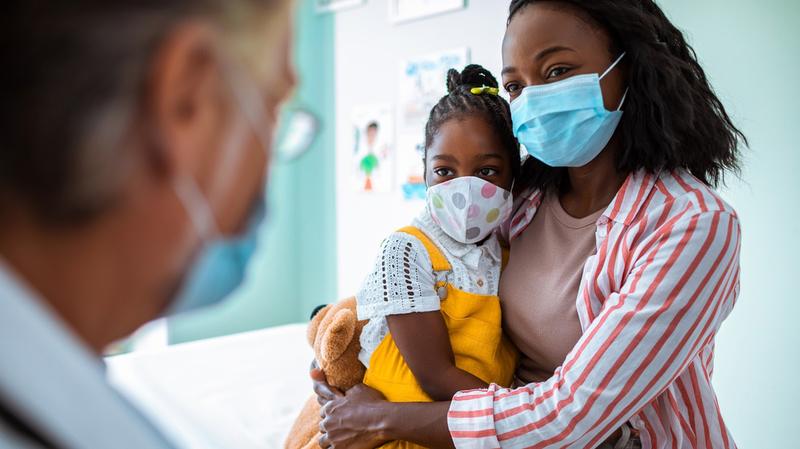
The COVID-nineteen pandemic sparked ongoing fear and dubiety nearly the dangers of the novel coronavirus, peculiarly every bit case counts began to rising and scientists developed a clearer picture of the full telescopic of the illness's range of health effects. Although preventative measures like the lockdowns and quarantines we saw throughout much of 2020 likely curbed COVID-xix's spread to a large degree, many people — dealing perhaps with pandemic fatigue — eventually relaxed their vigilance.
Activeness levels once once again began to rising around the globe, particularly during 2020's winter holiday season, which led to renewed restrictions and shutdowns. Due to spikes in the number of positive COVID-xix cases, some countries — England, French republic, and Germany, for example — and some American states renewed restrictions and shutdowns. Based on the data provided by the World Health Organization, the worldwide death toll rose into the millions, and the number of confirmed infections in the U.S. and around the world continued to increment.
Of form, the fact that millions of people have recovered from the virus gives us promise, as does the fact that over 1.6 billion people around the world are fully vaccinated. Nevertheless, the possibility of reinfection is a major business regarding COVID – largely because there'due south then much that nosotros don't know, including wellness professionals. Here's a look at the latest data on the possibility of getting COVID-19 twice.
Antibodies Build Immunity to Viruses — Sometimes
When a healthy allowed organisation is exposed to a virus, it fights the infection past producing proteins called antibodies that remain in the body after recovery. Unfortunately, some viruses mutate, only the antibodies don't change with them. As a result, antibodies in the body could end up providing express or no immunity to the next class of the virus. This is one of the reasons people are susceptible to new flu outbreaks each year.
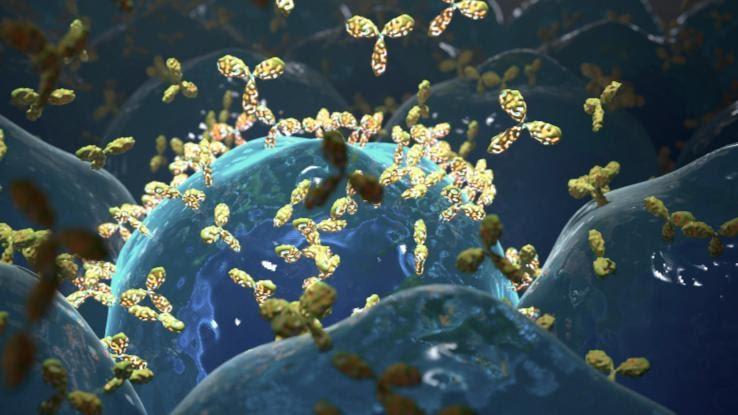
Luckily, at that place may be some adept news related to humans' ability to develop antibodies to COVID-19. The novel coronavirus that causes COVID-19 has a slower mutation charge per unit than influenza. Furthermore, the antibodies generated by a COVID-19 infection are projected to last for many years, perhaps even for life. The same principle applies to the Janssen COVID-nineteen vaccine.
Studies Are Answering More than Questions — Gradually
The strength and duration of a person's immunity to any virus may depend on a number of things, including overall health and genetic factors. That makes it hard to figure out the "right" answer to the question of how long amnesty could potentially last.
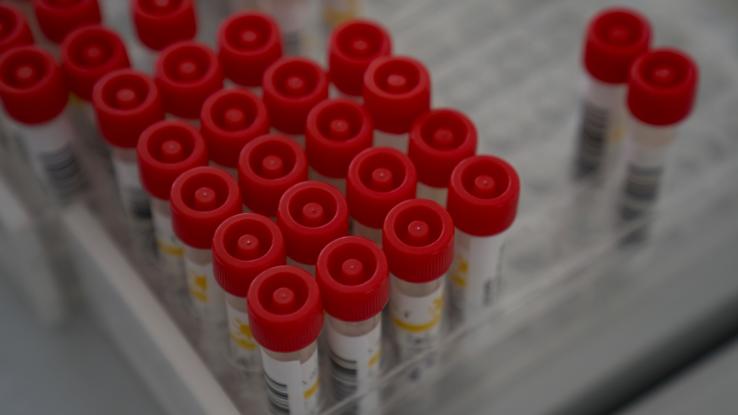
The situation is further complicated past conflicting research results and scientific reports coming in from around the world. In May 2020, a very small-scale x-person study conducted by Dutch researchers establish that whatsoever natural immunity developed by someone exposed to the virus was "alarmingly short" — perhaps just six months to 1 year. This written report was followed past a second British report that was released before information technology underwent the peer review process. The second study suggested that "virus-fighting antibodies drib off steeply two to 3 months later on infection." The news was patently received with considerable dismay.
Less than a calendar week later, a third study was released — also before undergoing peer review — that showed different results. That study reviewed the cases of 20,000 patients in New York who had COVID-xix symptoms. When 120 of those patients were tested three months later, researchers found that they had stable and even increasing levels of antibodies in their systems.
The principal takeaway from these various studies is that continued, thoroughly vetted research is critical on 2 fronts. We must decide the strength and persistence of natural immunity while encouraging people to get fully vaccinated to preclude and reduce the spread of COVID-19.
Reports Circulate of Echo Cases of COVID-xix
A few months into the pandemic, media reports began to circulate about people who had been diagnosed twice — well after they had supposedly recovered. Those reports raised some serious questions almost whether we can always expect to exist completely safe from COVID-19. In April 2020, the Korean Centers for Disease Command and Prevention (KCDC) officially identified 163 patients who were reinfected with COVID-19. These findings triggered a broader serial of investigations to determine some real answers.

In Baronial 2021, the CDC announced that unvaccinated adults are twice every bit probable to become reinfected with COVID-19. Conversely, fully vaccinated adults are much less likely to experience reinfection. This data was based on a report conducted in Kentucky. Adults with laboratory-confirmed SARS-CoV-ii cases in 2020 were not reinfected by June 30th, 2021.
Personal Stories Raise More than Questions
Despite the official scientific reports, the media continues to report anecdotal cases of people becoming reinfected. One of the most high-profile examples is the story of Sophie Cunningham, a basketball player with the Phoenix Mercury in the Women's National Basketball Association. Cunningham reported that she had the virus while playing basketball in Australia in March 2020, although she wasn't formally tested. Upon arriving back in the Usa, she went through a two-calendar week quarantine, simply to test positive for COVID-19 on June 19. Cunningham believes it was a second infection.

Researchers are cautious about responding to individual reports of reinfection that aren't accompanied past detailed testing and investigations. Angela Rasmussen, a Columbia Academy virologist told The Washington Post: "You lot can't extrapolate those anecdotal, first-person observations to the entire population and make sweeping conclusions almost how the virus works." In the absence of any "adept scientific study" confirming reinfection, researchers are reluctant to have the widespread risk of additional positive infections, but they are open-minded enough about the unknown to avoid completely ruling out the possibility.
If reinfection rates are relatively depression, then what is happening in cases like Cunningham'southward? Dr. Lee Riley, Chair of the Division of Infectious disease and Vaccinology at UC Berkeley Schoolhouse of Public Health, suggests that the problem may have to do with testing techniques. Tests don't actually notice the virus; they detect the presence of nucleic acids that contain parts of the virus' genetic data. That ways they could simply be detecting persisting amounts of those nucleic acids in the torso of someone who tests positive a second fourth dimension, "even when the virus itself is no longer alive and able to infect others." If that'south the case, those apparent 2d positive results should more accurately be called false positives.
Despite the exhaustive and ongoing efforts of researchers around the earth, so much remains unknown about the novel coronavirus, humans' natural immunity to it, and the take a chance of reinfection. New research results are regularly released every week, so we can keep to expect more insight as we motility frontward. For now, even with all the unknowns, there is a broad consensus that prevention and protection are the all-time defence force. We must all continue to socially isolate, get vaccinated when nosotros're able to do so, and finer use personal protective equipment and all-time hygiene practices to achieve the nearly beneficial results.
Source: https://www.ask.com/culture/can-you-get-covid-19-twice?utm_content=params%3Ao%3D740004%26ad%3DdirN%26qo%3DserpIndex

Postar um comentário for "Restransitioning Twice How to Come Out Again"